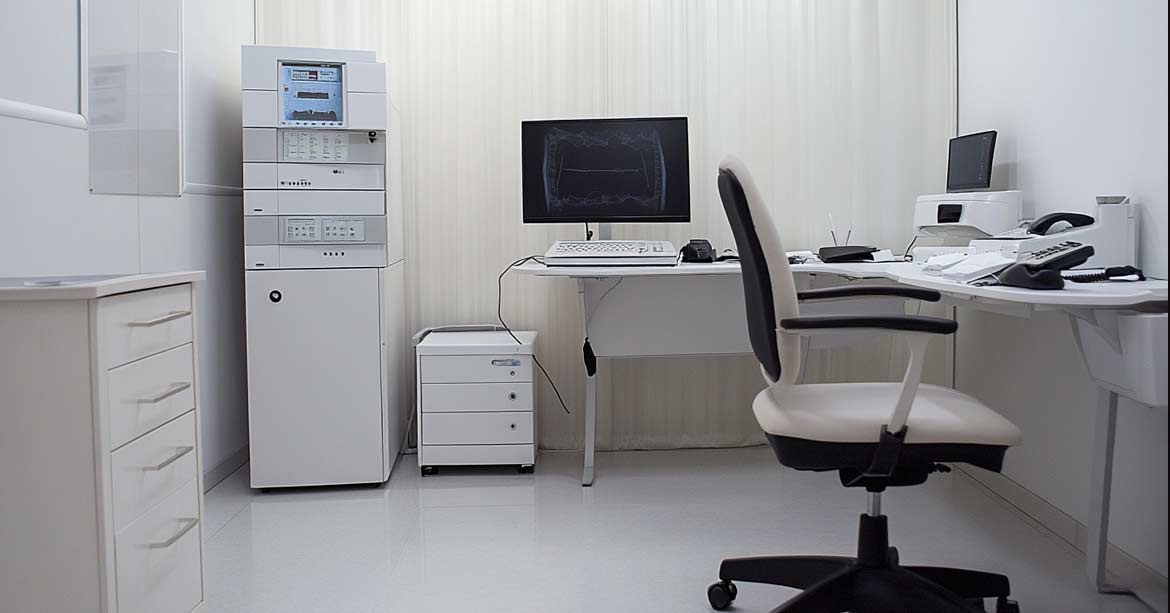
The polygraph and non-verbal behaviour analysis try to do the same thing —detect deception— but by very different routes and with levels of reliability that are not comparable. The polygraph measures physiological responses (breathing, cardiovascular activity and sweating) with instruments, and its validated techniques reach an accuracy of 85-90% according to the American Polygraph Association. Non-verbal analysis interprets gestures, micro-expressions and posture by eye; it sounds convincing, but the research is blunt: meta-analyses put human accuracy at detecting lies from behaviour at around 54%, barely above tossing a coin (Bond and DePaulo, 2006). In other words, one method uses measurable data and the other, subjective impressions that are easy to bias. That said, neither is infallible nor has value as evidence in criminal proceedings in Spain. Below we compare them point by point.
What does each method measure?
The polygraph records three signals of the autonomic nervous system at once while the person answers a prepared questionnaire, and an examiner interprets the charts by comparing the reactions to the relevant questions with those to the comparison questions. Non-verbal behaviour analysis observes external signals —facial micro-expressions, gestures, gaze, posture— to infer nervousness or deception. The key difference is objectivity: the first produces a measurable, repeatable record; the second depends on the observer's interpretation, which can be wrong or swayed by prejudice.
Which is more reliable?
| Aspect | Polygraph | Non-verbal analysis |
|---|---|---|
| What it measures | Physiological responses (breathing, cardiovascular activity, sweating) | Gestures, micro-expressions, posture and gaze |
| Approximate accuracy | 85-90% with validated techniques (APA) | ~54%, close to chance (Bond and DePaulo, 2006) |
| Objectivity | Instrumental, repeatable record | Subjective interpretation by the observer |
| Legal validity in Spain (criminal) | Not admitted as evidence | Not admitted as evidence |
| Typical use | Structured test with consent | Support in interviews and negotiations |
The data is clear: as a structured method, the polygraph is considerably more reliable than reading body language, which barely beats chance. Even so, the polygraph is not perfect either: it can produce false positives and its result depends on the examiner's skill.
Which one should you choose?
They do not compete: they complement each other. Observing behaviour can guide a conversation, but it must not be used to accuse anyone; the polygraph provides an objective piece of information when you need to move from impression to evidence, always voluntarily. At El Polígrafo the test is carried out by Fernando, a polygraph examiner and forensic psychologist, with a Stoelting CPS Pro system and techniques recognised by the American Polygraph Association. You can see the test step by step before deciding.