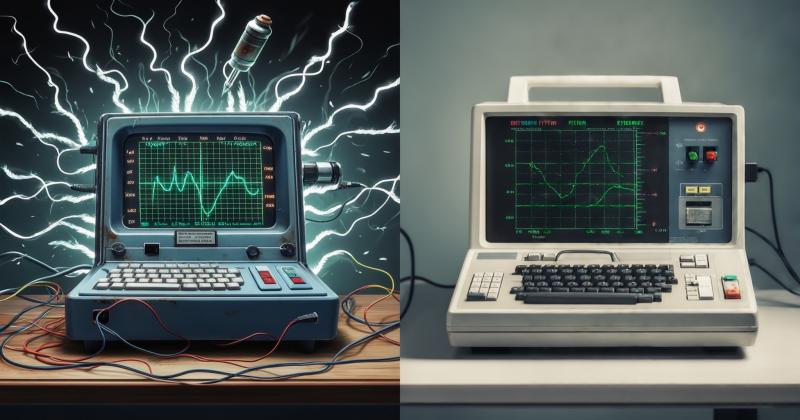
Common myths about the polygraph: Separating fact from fiction
Have you ever heard incredible things about the truth machine, also known as the polygraph? Although it is often presented as an infallible instrument, there are numerous myths surrounding this device. Let's separate fact from fiction and debunk some of these myths.
Myth 1: The polygraph detects lies
Contrary to what you might think, the truth machine does not directly detect whether someone is lying. In reality, it measures physiological variations such as sweating, breathing or heart palpitations that may indicate a state of nervousness.
Myth 2: The result is 100% reliable
The polygraph is not infallible —no test is—, but its validated techniques reach an accuracy of 85-90% according to the American Polygraph Association. The key is the examiner: their skill in designing the questions and reading the charts is what underpins that reliability.
Myth 3: The machine cannot be fooled
Trying to «beat» the machine with countermeasures rarely works: a qualified examiner is trained precisely to spot those attempts, and modern techniques detect them. In practice, manipulating the result is far harder than films suggest.
Myth 4: It is invasive and uncomfortable
The polygraph test is carried out with sensors on the arms, fingers and chest. Despite this placement, the test is neither invasive nor painful. You may feel some discomfort at first, but you quickly get used to it.
Knowing the difference between the myths and the reality of the polygraph can help you better understand how it works and apply this information effectively. Curious to learn more? Feel free to keep exploring and separating fact from fiction about other intriguing topics.