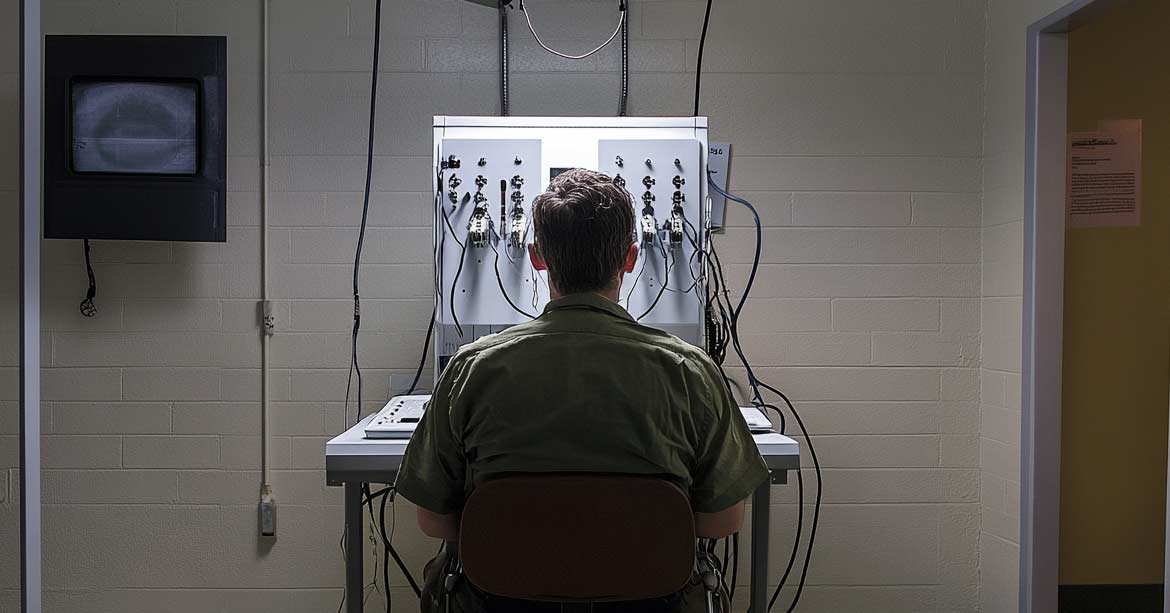
The psychological impact of taking a polygraph test
Have you ever wondered what effect taking a polygraph test might have on your mind?
The polygraph, also known as a truth machine, is a tool used to determine whether someone is telling the truth or lying. While this test can be useful in certain legal contexts, it can also have a significant psychological impact on those who take it.
Emotions during the polygraph test
When a person faces a polygraph test, it is normal to experience a mixture of emotions. The fear of being discovered or the nervousness of being subjected to an interrogation are common feelings. This process can generate great anxiety, as the individual is under great pressure to tell the truth in every answer he or she gives.
A transparent process, with no surprises
The test is always carried out with the person's consent and with no surprises: before starting, the examiner explains every step and what the sensors record (pulse, respiration and skin conductance). Knowing what will happen, and that nothing is done behind your back, greatly reduces the initial tension.
The examiner accompanies you, they do not interrogate
Contrary to the image of a high-pressure interrogation, a qualified examiner works the other way around: they create a calm setting, agree the questions in advance and help the person stay relaxed, because a calm state is precisely what allows a reliable reading.
Confidence and self-esteem in the face of polygraph results
With validated techniques and an expert examiner, the polygraph reaches an accuracy of 85-90% according to the American Polygraph Association. The result is always given in terms of probability and as supporting evidence, never as a definitive label on the person.
Long-term psychological effects
With good preparation and an examiner who accompanies you, most people go through the test with relief: moving from uncertainty to a clear answer usually reduces anxiety rather than increasing it. Even so, if the issue touched on is sensitive, having close support helps to process it calmly.
Importance of emotional support and preparedness
In conclusion, the psychological impact of going through a polygraph test should not be underestimated. It is essential to understand how this experience can affect people emotionally and to provide the necessary support to minimise any negative effects. If you are considering undergoing a polygraph testIt is important to be prepared for the emotional impact it can have. Remember to always seek the support of a mental health professional if you feel you need help coping with the consequences of this ordeal.
The long-term psychological impact
The psychological impact of taking a polygraph test can extend far beyond the immediate experience. Some people may experience lasting effects on their emotional well-being, even after the test is over. It is important to understand and address these long-term effects to ensure the well-being of those who take a polygraph test.
The importance of emotional support
When someone is taking a polygraph test, it is essential to provide them with the necessary emotional support. People may experience a range of emotions before, during and after the test, and they need a strong support system to help them deal with these emotions. Whether through close friends, family members, or mental health professionals, emotional support can make a big difference in the psychological impact of the test polygraph.
Remember, if you are considering taking a polygraph test, it is important to consider the psychological impact it may have on you. Make sure you are emotionally prepared and seek support if you need it. Your mental wellbeing is just as important as any polygraph result. polygraph test.